Two Worlds, One Table: What It Actually Means to Grow Up Between Cultures
If you grew up Arab or MENA in the West, you've probably lived a version of this: two versions of your name, depending on who's asking. Thanksgiving with your American friends, then Eid with your fam…
If you grew up Arab or MENA in the West, you've probably lived a version of this: two versions of your name, depending on who's asking. Thanksgiving with your American friends, then Eid with your family a few weeks later, and somehow you're fully yourself in both rooms and not entirely at home in either. You didn't choose to straddle two worlds. It just happened, the way it happens to most of us. And most of what's built for "our community" doesn't actually reflect that.
A lot of spaces built for Arab and MENA folks lean one of two ways. Either they flatten the culture into something that feels more like a costume than a community, henna and hookah and nothing else, or they're so insular they forget half of us grew up just as Western as we did anything else. Neither one is actually us. Most of us are living in the overlap: ordering a shawarma and a matcha latte in the same breath, texting our moms in Arabic and our group chat in English, without it feeling like a contradiction at all.
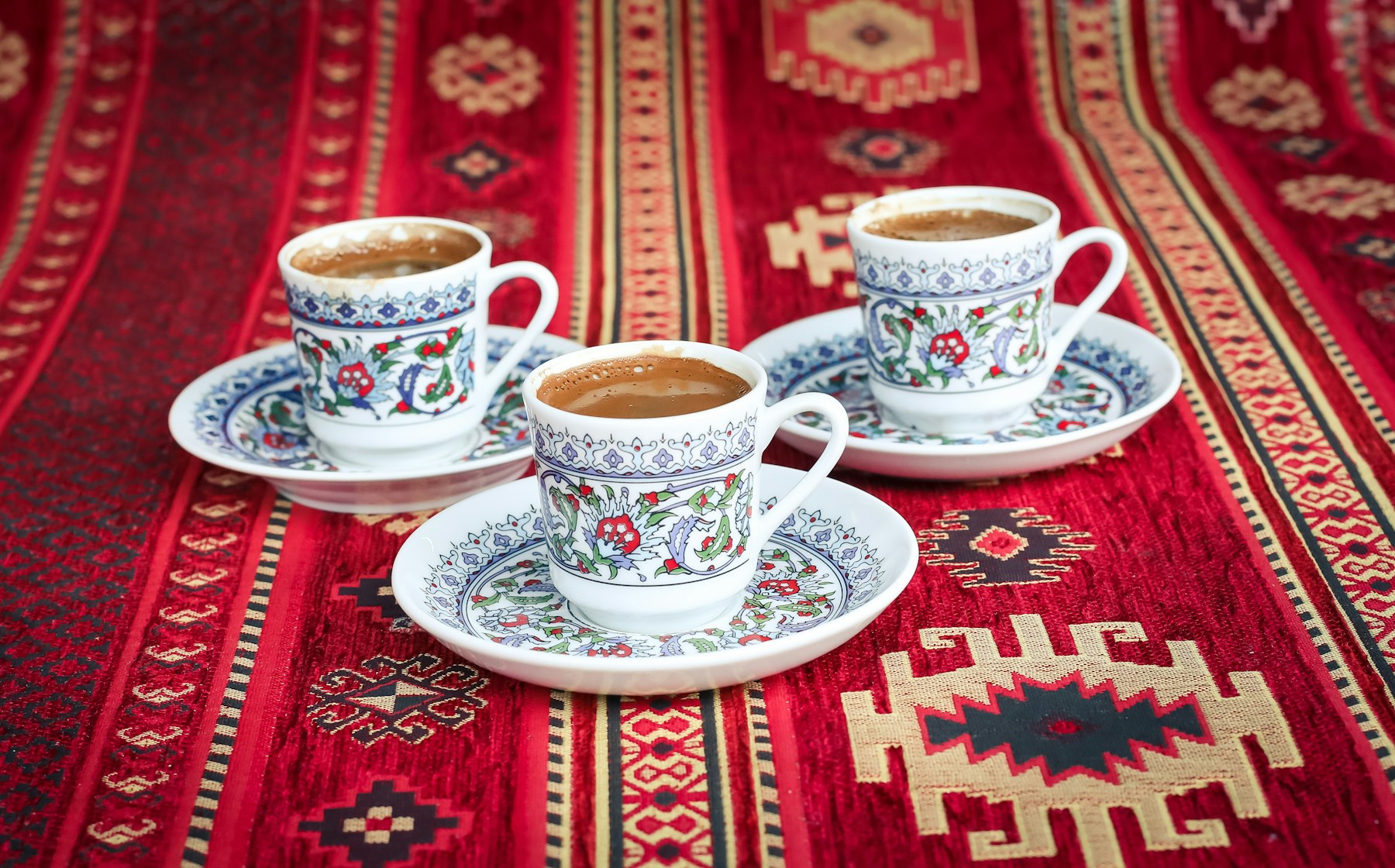
That overlap is exactly what Finjani was built around. Not a "cultural" app. Not a generic one either. A space that assumes you're carrying both worlds at once, because you are, and doesn't ask you to leave either one at the door.
This matters most, maybe, is on college campuses, where so many of us first find our people outside our own families. If you're part of an Arab Student Association, an MSA, or any club built around this exact overlap, you already know how much it means to find a room that gets both halves of you without translation. That's the room we're trying to build, one table at a time, citywide.
You don't have to pick a side of yourself to belong here. Bring both. Fill your cup.